
 English
The time of the super dollar
The Us dollar has broken parity with the euro for the first time in 20 years. «A weak euro is positive for luxury companies’ profits,» Philippe Blondiaux, Chanel’s Chief Financial Officer, commented. «This will also make sales volume grow,» analysts told MFF
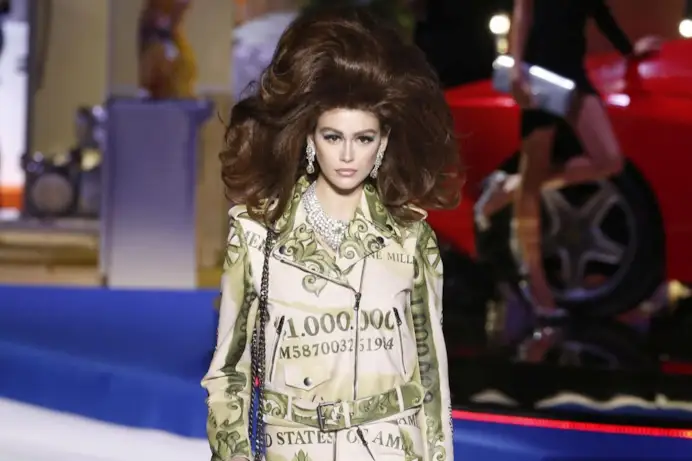
For the first time in 20 years, the dollar has broken parity with the euro. And fashion is licking its lips. «A weak euro is perfect for the European luxury industry, since it has the majority of its costs in euros and most of its revenues in dollars and related currencies. As a consequence, if the euro drops, the margin increases,» Luca Solca, senior search analyst in Bernstein’s division of global luxury goods, told MFF (see MFF of July 17, 2022).
The euro had just dropped below parity on July 13, for the first time in 20 years, but came back up again shortly after. Now the trend is confirmed and is fueled by several factors, including the renewed tensions between Russia and the EU in terms of energy and the constant strengthening of the dollar, pushed also by the aggressive boosts in rates from the Us Central bank, the Federal Reserve. «A weak euro is very positive for European luxury companies’ profits,» Philippe Blondiaux, Chanel’s chief financial officer, stated during the publication of the maison’s accounts (see MFF of May 25).
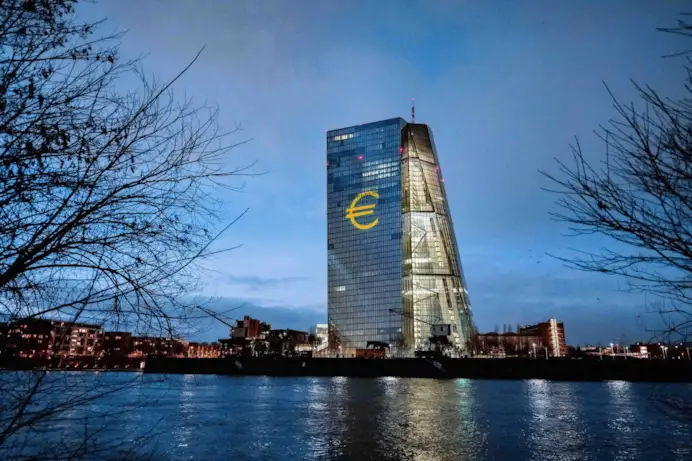
How does this affect travel retail? Euro’s decline comes at a time when international travels show signs of recovery after the pandemic. While Chinese costumers largely stay home, Americans are returning back in bulk to European capitals and seem to be more interested than ever in luxury brands. Last year, luxury giant Lvmh registered a sales increase in the US of 24% compared to the pre-pandemic period. A weak euro will most likely strengthen both trends and will invite Americans to spend money in Europe. If a Dior or Louis Vuitton bag costs 2,000 dollars in the US but 1,500 euros in Europe, it is a 21% saving. The gap grows over 30% if clients take advantage of visitors discounts that countries such as France and Italy offer to foreigners. A similar dynamic applies to British luxury brands such as Burberry, since the pound has dropped against the dollar, and to Swiss watchmakers, from Rolex to Cartier and other brands within the Richemont group following the recent drop of the Swiss franc.
For brands, many sales to travelers and tourists are products that they would not have bought at home. In this way, market grows bigger in volume. Another noteworthy consequence of a weak euro for luxury regards volume. «With the recovery of tourist flows after the pandemic, if the euro is weak and the currency of tourists is stronger, they will be inevitably encouraged to go shopping. And if products in Europe cost less, the prospects of savings will push customers to buy more,» Equita's Paola Carboni explained to MFF on the eve of the vacations. An assessment more than confirmed by the facts of recent weeks. On the other hand, no negative consequences are expected in terms of rising commodity costs. «Considering that about 80% of luxury companies' profits come from non-euro area consumers, revenues abroad are important for a global sector like this one. In particular, the strength of the US helps drive up the value of profits generated in this market, which accounts for an average of 30% of the industry's sales when converted into the currency of the state where the companies report their profits,» Swetha Ramachandran, investment manager responsible of the Gam luxury brands equity fund at Gam investments, noted.
More attractive prices could also help strengthen the appeal of luxury brands to aspirational buyers who feel left out after the recent increases. How should brands respond to the change? In order to take advantage of the emerging travel retail opportunity, however, the luxury industry will have to work harder to educate US consumers about tax-deductible services: the fact that duty-free purchases are allowed outside of airports is something many Americans do not realize. Of course, the benefits of a weaker euro could be short-lived: soaring energy and food costs after the Russian attack on Ukraine have caused inflation to even reach European shores, and the Ecb - European central bank could raise interest rates faster than expected. On the other hand, the Us could slow rate hikes put in place by the Fed - Federal reserve as the risk of recession increases. According to average estimates, analyst consensus expects the euro to settle at 1.05 dollars a year from now, in line with the European pattern of slower monetary policy tightening than in the States.

Luxury brands are also aware that a weaker euro carries some risks. The price gap between the Us and Europe could incentivize retailers and lead to a parallel market for luxury goods, as has been the case in China for years. This would undermine brands' efforts to establish direct and regular contact with customers, a particularly important goal for the Us, where brands are eager to maintain the ranks of new customers rising after the pandemic. The risk remains small, however, as most Americans are reassured of a product's authenticity when they buy directly from brands, in addition to simply finding it more appealing. Considering that for the Italian economy exports account for about 30% of gross domestic product, this could be a new avenue to revive our country, also in view of the turbulence related to the upcoming elections scheduled for later this month. (All rights reserved)


Altre notizie


The fashion industry makes a plea to the Ministry of enterprises


