
 English
The luxury industry slowdown
An MFF investigation explores the outlook for 2024 as the luxury sector becomes increasingly polarized and searches for direction. Some brands, like Gucci and Ferragamo, are struggling, while others, like Prada, are seeing double-digit growth. Estimates suggest 5% growth in the best-case scenario, while the more pessimistic forecast projects an increase between 1% and 2%
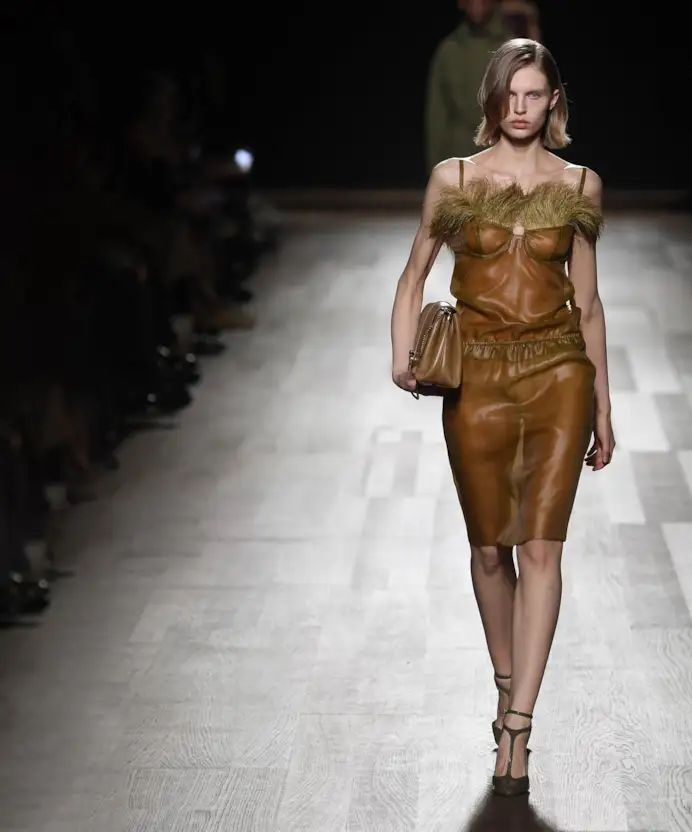
In 2024, the luxury market is moving at two different speeds. On one hand, there’s Kering, whose warning in March caused a drop in stock prices, affecting the entire sector, while its first quarterly report further fueled concerns. Similarly, LVMH reported its first negative quarterly result (-2%). On the other hand, brands like Prada and Brunello Cucinelli continue to surge ahead.
As we approach mid-2024, a kind of polarization is emerging within the fashion and luxury sector, as confirmed by experts interviewed by MFF. “Growth in the sector is stabilizing at pre-Covid levels, meaning more sustainable growth at historically normal rates. We estimate a 5% increase this year. Given this context, the polarization that has developed in recent years continues to shape the sector’s dynamics. Currently, Kering’s brands are struggling, while LVMH is grappling with tough comparisons due to its high recent growth rates. However, other brands continue to see double-digit growth,” Flavio Cereda, Co-Investment Manager for Luxury Brands at GAM, explains.
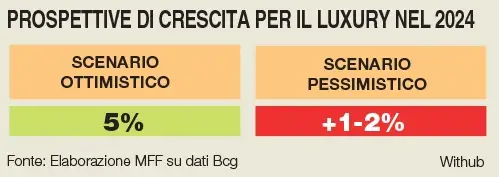
According to Guia Ricci and Lucia Casagranda, Managing Director & Partner and Project Leader at Boston Consulting Group (BCG), 2024 will be a year of stabilization for the luxury sector. This marks a shift back toward more organic and sustainable growth following the post-pandemic boom that fueled the so-called “revenge buying”.
“For this year, we expect a challenging return to normalized demand, with projected growth of approximately 1-2%, in a context where Europe still shows signs of struggle due to the macroeconomic environment, the US is recovering, and China is experiencing a notable slowdown in consumption,” they explain. However, in a more optimistic scenario, if Asian markets recover more quickly, the two experts suggest that growth could reach up to 5%.
Carole Madjo, Head of European Luxury Goods Research at Barclays, points out that in most regions, consumers are holding back on luxury spending because of weak consumer sentiment and a tougher macroeconomic environment.
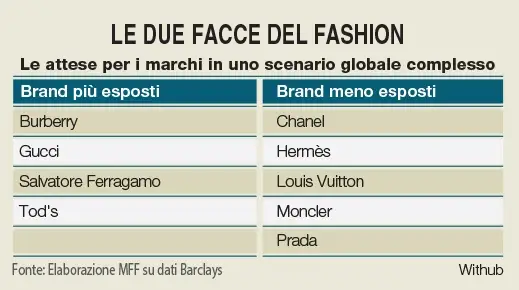
Madjo further explains that brands targeting high-end consumers are more resilient compared to those that attract aspirational buyers, like Gucci, Burberry, Salvatore Ferragamo, and Tod’s. As consumers become more selective when purchasing luxury goods, they tend to favor highly desirable brands such as Hermès, Chanel, Louis Vuitton, Moncler, and Prada. “The outcome is increased polarization in the industry,” the Barclays analyst continues. But why are even the biggest companies struggling with this slowdown?
According to Ricci and Casagranda, the main reason is the normalization of demand following the post-pandemic boom. There is increased caution among aspirational luxury consumers, especially in Europe and the US, as the uncertain macroeconomic context and high inflation make people hesitant to make significant purchases. Another crucial factor, they suggest, is the situation in Asia, where economic recovery has been slower than expected, particularly among Chinese consumers, who have traditionally been significant drivers of the luxury market.

“The first half of 2024 reflects the trends of the second half of 2023 for three key reasons,” Federico Bonelli, Retail, Fashion & Luxury Leader at EY Europe West, explains. There is an unfavorable macroeconomic environment, primarily due to the cost of credit, the price of money, and inflation. “We have experienced a period of high economic instability, which typically slows down consumption across all income levels,” he notes. Additionally, political instability, especially in China, adds another layer of uncertainty.
According to Bonelli, this has led to a significant slowdown in the sector, which remained relatively flat in the first half of 2024 despite forecasts predicting growth. “In this broader market context, the fashion and luxury sector remains highly fragmented. As in any period of stagnation, there are winners and losers. Some companies are still posting solid results, while others are struggling. Four key trends are at play here,” the EY expert explains.
The first trend is a shift in aesthetic preferences. Post-Covid, we have seen a shift from a colorful and irreverent aesthetic to quiet luxury. This change has benefited companies that focus on carryover pieces—iconic, timeless items that remain in demand across seasons. “Brands with these assets were less impacted by the slowdown and were better protected than those that rely on seasonal trends,” Bonelli notes.
The second factor impacting the sector in recent months is pricing strategy. Over the past decade, the luxury industry has moved away from the early 2000s’ democratization efforts, which focused on second lines, opting instead for a pricing strategy based on exclusivity, product scarcity, and the concept of limited edition. However, the price lever has been used so extensively over the last decade that it has hit a ceiling, effectively limiting further price increases, and contributing to a market slowdown.
The third reason for the slowdown involves the concept of experience. Bonelli points out that companies with the budget and vision to invest in and create service ecosystems and engaging experiences around their products are thriving. Those without these resources are struggling to keep pace.
The fourth factor relates to brand ambassadors. Traditionally, these were mostly movie stars, but today they encompass a broader range of figures, including football players, other athletes, gamers, and more. Some brands have embraced this shift, investing heavily to adapt, while others have been slower to respond, resulting in a performance gap. “Brands that have successfully embraced these four trends are still growing and gaining market share. Those that missed or underestimated these shifts are experiencing declines not seen since the crises of 2008 and 2020,” Bonelli concludes.
In summary, Barclays analyst Carole Madjo expects to see improvements in the second half of this year. Looking further ahead, BCG experts predict that “the luxury market’s growth trend will eventually align with pre-Covid levels, with annual growth rates in the low single digits, around 4-5% per year”. (All rights reserved)


Altre notizie


The fashion industry makes a plea to the Ministry of enterprises


