
 English
Fashion hotels are worth 1.2 billion euros
This is the value of investments in Italy in high-end hospitality. The trend continues abroad as well, from Giorgio Armani to Dolce&Gabbana to new Bulgari projects. «Partnerships with the hospitality sector are a very attractive opportunity for both parties,» experts told MFF
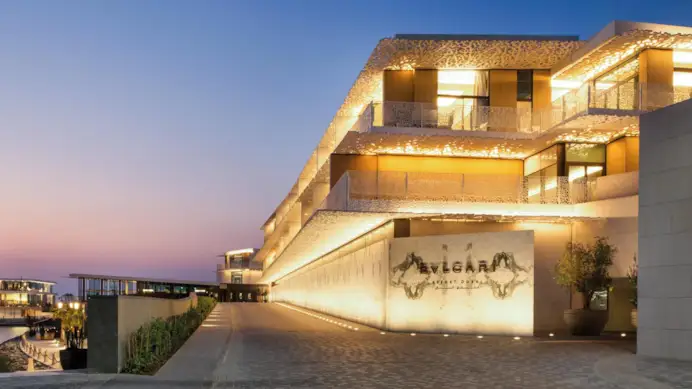
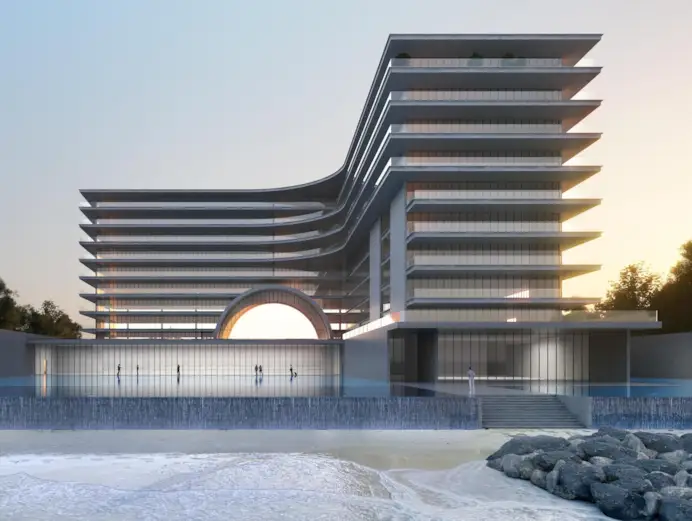
From Dolce&Gabbana, which is debuting in real estate with three deals involving America, Europe and Asia, to Giorgio Armani, who is designing the new ultra-luxury Armani Beach Residences Palm Jumeirah complex in Dubai, and Elie Saab, which is preparing to land designer residences in Brazil. After the setback caused by the pandemic, the liaison between luxury fashion houses and hospitality is once again consolidating. «The hospitality sector in the last decade has moved toward greater product research and segmentation. Fashion and luxury brands represent a strategic partner in enhancing this market positioning,» Marco Zalamena, head of hospitality at Ey Italy, explained to MFF, who added that the co-partnership between luxury brands and hospitality players aims to create products that have strong customization, initiating a different trend from the 1990s, where we mostly saw very standardized products.
«We have seen two different types of investment in the market,» Zalamena clarified. Direct investments like Lvmh, which created its own Cheval blanc hotel chain and acquired the Belmonds. “We have not seen any other direct intervention on management with the exception of Lvmh,» the expert specified. And then there are various forms of collaboration, as joint ventures between the hotel brand and the luxury brand. «The two parties apply their expertise to bring the product to life, so when there are two strong players on both sides there is a win-win situation. The quintessential example is the partnership between Bulgari and Marriott,» Zalamena said, estimating for the future that «this marriage between fashion and real estate is a trend that will go strong over time. It is an interesting business opportunity if exploited well for both parties,» as confirmed by the record 2022 figures of the Italian market, where, according to real estate specialist Jll Italia, as much as 1.2 billion euros have been invested in luxury hotels, while 5-star facilities, even though they count for 4% of the rooms in the entire country, they alone generate 20% of hotel revenues.
«Luxury and leisure have always been a winning combination, especially if we talk about Made in Italy,» Andrea Faini, ceo Of World Capital Group (wcg), the only Italian company specializing in commercial real estate, clarified. In his interview with MFF, he said that Versace, Armani, Bulgari, and Tonino Lamborghini were the pioneers of the phenomenon that unites fashion and tourism, and, in recent years, we have witnessed an interesting new upswing in the alliance between luxury fashion brands and real estate. «For the big luxury brands, it is in fact increasingly strategic to invest in hospitality, because it allows them to go beyond the mere product». Fashion icons aim more than ever to offer immersive, innovative, and sensory experiences at every level. All of this starts from brand storytelling, passing through a memorable customer experience in store, up to the sublimation of the brand through unique leisure proposals, synonymous with exclusive lifestyle, in exotic or, even better, all-Italian destinations.
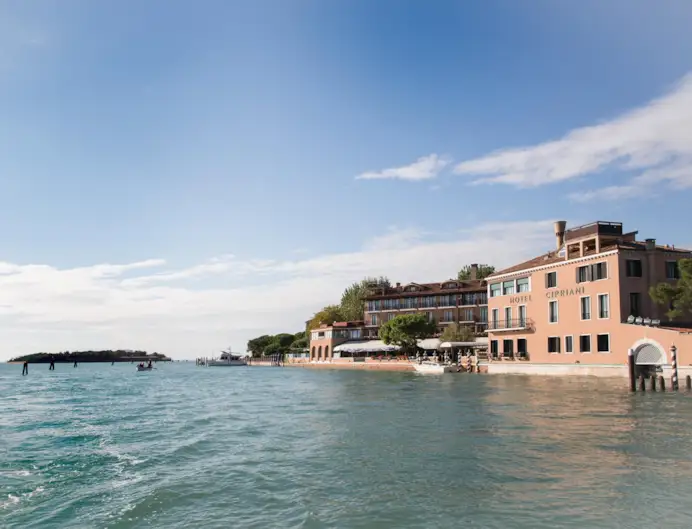
«In fact, Italy is in the top 5 tourist destinations worldwide, with over 109 million people choosing the country for their holidays in 2022,» Faini pointed out. The data for arrivals in Italy for the first quarter of 2023 (+55.5% year-on-year) further confirm the positive sentiment for the months to come, not only in terms of tourist flows, but also in terms of investment volumes in asset class. Some of the world’s biggest fashion and luxury brands have chosen, with good reason, to open new hotels in the same Italian city where they are already established. For example, Bulgari hotels & resorts, which has announced a second opening next June in Rome, or the Lvmh group, which chose the Costa Smeralda for five super-luxury accommodations. «In the light of the profound transformation and enhancement of the Italian hotel heritage that is underway and the significant growth prospects of the entire sector, it is decisive to seize the opportunities present in our country today, both in the «big four» of tourism, namely Milan, Rome, Florence, and Venice, and in sought-after alternative destination such as Naples, Bari, Turin, Bologna, Oristano, and Trento,» Wcg’s ceo concluded. (All rights reserved)


Altre notizie


The fashion industry makes a plea to the Ministry of enterprises


